
The Narrator's Loss of Agency
The Yellow Wall PaperThis flow traces how the narrator's attempts to express preferences and direct her recovery are repeatedly displaced by decisions made for her.
increasing Bearing strength in each event
 decreasing
Bearing strength in each eventdecreasingDisagreement About Illness
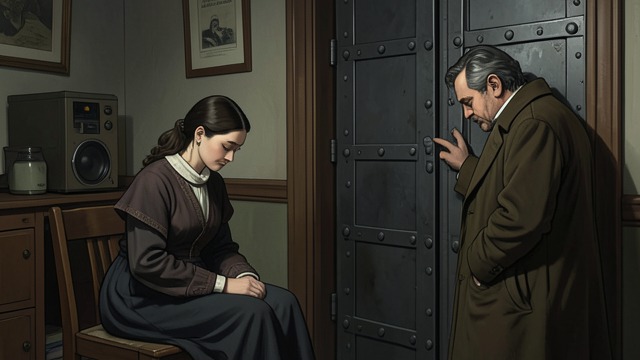
Disagreement About Illness
A contested diagnosis
The narrator knows she feels unwell, but John and her brother say there is no serious cause for her suffering. Their professional standing makes it difficult for her to challenge their judgment.
A silenced perspective
She doubts that John's treatment is helping, yet even writing that thought feels dangerous. From the outset, her account exists in private rather than in conversation with those making decisions.
The Choice of Room
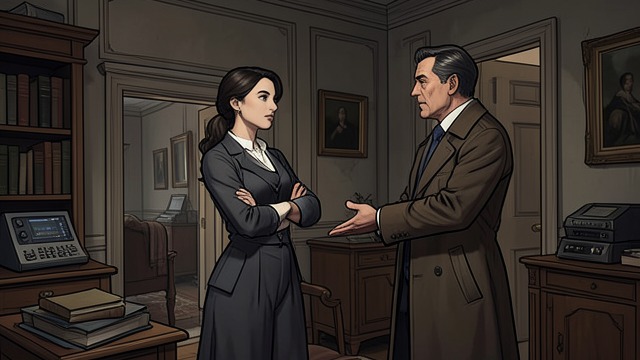
The Choice of Room
A preference refused
The narrator asks for a pretty downstairs room that opens onto the piazza. John insists on the upstairs nursery, citing practical concerns about beds and proximity.
Care with control
He embraces and reassures her, but his tenderness does not change the decision. The episode introduces a pattern in which affection softens restrictions without removing them.
Writing Behind Closed Doors
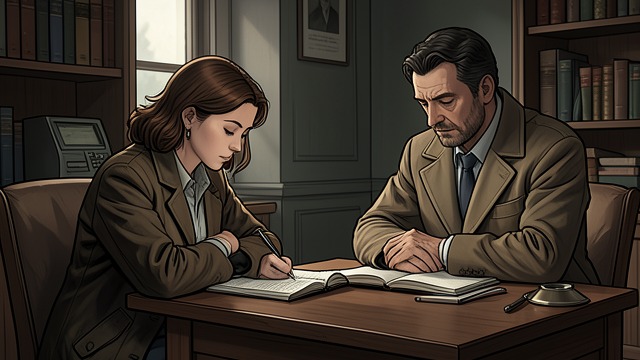
Writing Behind Closed Doors
A forbidden practice
The narrator writes when John is away and hides the journal when others approach. She finds that writing can relieve the pressure of unspoken thoughts, though the effort also tires her.
A private claim
Her secret pages preserve a voice that the household does not invite into medical decisions. Concealment protects her expression while reinforcing her isolation.
A Request to Leave

A Request to Leave
Asking for change
After a disturbing night watching the wallpaper, the narrator tells John that she is not improving and wants to leave. She offers her own judgment of her condition against his professional confidence.
A request deferred
John cites the lease, his work, and his belief that she is gaining strength. His refusal ends the discussion, leaving her in the room she has asked to escape.
A Claimed Escape
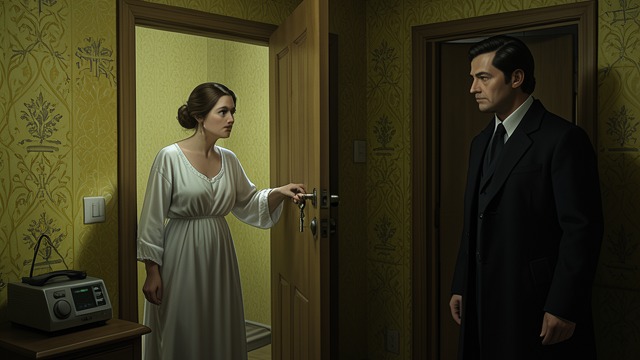
A Claimed Escape
The door secured
The narrator locks herself in the nursery and keeps the key outside, controlling who can enter and when. She chooses to remain in the room until John returns.
Autonomy transformed
Her final declaration that she has escaped gives voice to a desire for independence, but it comes through a breakdown rather than a negotiated change. The conflict between agency and confinement reaches its most extreme form.
Before the family arrives at the estate
At the start of the summer stay
During the first weeks at the estate
Three weeks before the planned departure
On the final day at the estate
